
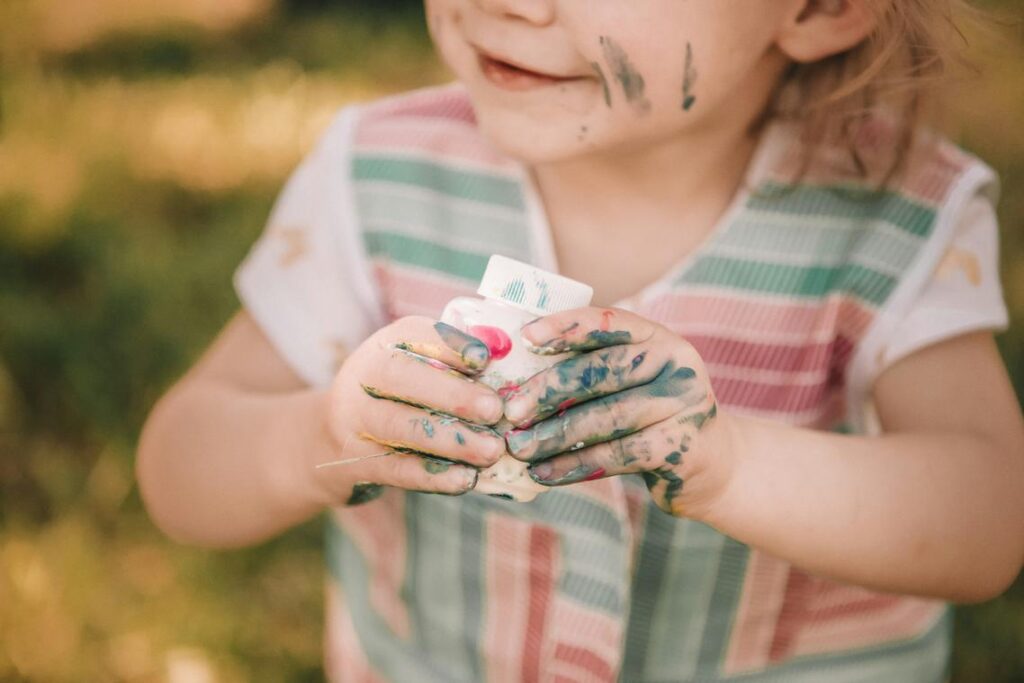
Every parent wants to know if their child is developing on track—especially during the earliest years when growth happens so quickly. If you’re searching for clear, reliable information about early childhood cognitive milestones, you’re likely looking for reassurance, guidance, and practical ways to support your child’s learning at home. This article is designed to do exactly that.
We break down what cognitive development looks like in the early years, what skills typically emerge at each stage, and how everyday routines can nurture memory, problem-solving, language, and attention. Instead of overwhelming you with jargon, we translate research-backed child development insights into simple, actionable tips you can use right away.
Our guidance is grounded in established child development research and widely recognized pediatric benchmarks, ensuring you’re getting information aligned with expert standards. By the end, you’ll have a clearer understanding of what to expect, what’s normal, and how to confidently support your child’s growing mind.
Watching the Wonder Unfold
Cognitive development simply means how your child thinks, explores, remembers, and solves problems. In other words, it’s how they figure out their world—why the dog barks, how blocks stack, and where you hid the cookies (yes, they notice).
This guide walks you through early childhood cognitive milestones with clear, age-by-age expectations, so you can trade anxiety for confidence. Instead of guessing, you’ll recognize what’s typical, what’s emerging, and when to seek support.
Most importantly, you’ll gain peace of mind. Every child develops at their pace, and understanding journey helps you celebrate progress rather than compare timelines.
The First Year: From Senses to Simple Ideas (0–12 Months)
The first year of life is a masterclass in rapid brain growth. These early childhood cognitive milestones may look simple, but they lay the groundwork for everything that follows.
0–3 Months: Sensory Exploration
At this stage, babies learn through sight, sound, and touch. They track objects with their eyes and turn toward familiar voices. That wide-eyed stare at a ceiling fan? It’s research (serious research).
Recommendation: Use high-contrast toys and speak face-to-face often. Slow movements and exaggerated expressions help strengthen visual tracking and social awareness. Pro tip: narrate your day—your voice is their favorite podcast.
4–7 Months: Cause and Effect
Now comes experimentation. Shake a rattle, hear a sound. Drop a spoon, watch it fall. Cause and effect (the understanding that actions produce results) becomes endlessly fascinating.
Recommendation: Offer safe objects they can grasp, shake, and drop. Yes, you’ll pick things up 47 times—but repetition builds neural pathways.
8–12 Months: Object Permanence & Problem-Solving
Object permanence means understanding something still exists even when hidden. Peek-a-boo suddenly becomes thrilling instead of confusing.
You’ll also notice early problem-solving: reaching for a slightly out-of-reach toy or pulling a blanket to retrieve one on top.
Recommendation: Play simple hiding games and encourage safe exploration. Let them struggle briefly before helping—that tiny pause builds persistence and confidence.
The Toddler Explorer: Language, Imitation, and Discovery (1–2 Years)
Some people call this stage “the TERRIBLE TWOS preview.” I disagree. This is the LANGUAGE BOOM era—when your toddler moves from single words to confidently pointing at the fridge and declaring “milk!” They’re beginning to understand simple directions like “bring me the ball,” which signals major early childhood cognitive milestones in action. (Yes, it counts as progress—even if the ball is slobbery.)
You might hear critics say toddlers are too young for structured learning. But watch closely. When your child copies you sweeping the floor or “talks” on a toy phone, that’s imitation and pretend play—critical building blocks for empathy and communication. It may look like chaos; it’s actually brain architecture forming.
Here’s what you’ll often notice:
- Sorting blocks by color (even if it’s only red vs. “not red”)
- Stacking towers just to knock them down
- Testing lids, latches, and containers like tiny engineers
Problem-solving is no accident. When they figure out how to fit shapes into a sorter, they’re experimenting with cause and effect. Some argue these are simple trial-and-error games. True—but that trial and error wires neural pathways for future math and logic skills (Harvard Center on the Developing Child).
Looking ahead, experts speculate that toddlers exposed to rich conversation and hands-on play may show stronger preschool readiness skills. While that’s still unfolding science, one thing feels certain: today’s block stacker could be tomorrow’s creative thinker.
Pro tip: Narrate your day. Ordinary moments fuel EXTRAORDINARY growth.
The Budding Problem-Solver: Memory and Make-Believe (2-3 Years)

Between ages two and three, your toddler’s brain is buzzing with growth. This stage is packed with early childhood cognitive milestones that lay the groundwork for learning, empathy, and independence.
Developing Memory and Imagination
When your child recalls parts of a favorite bedtime story or belts out the last line of a song before you do, that’s working memory in action (the ability to hold and use information over short periods). Following two- or three-step instructions—”Grab your shoes, put them by the door, and come back”—strengthens attention and sequencing skills.
The benefit? Stronger memory now supports smoother transitions into preschool routines later. (And yes, it also means they’ll remember where you hid the cookies.)
Advanced pretend play is another leap forward. When a stuffed bear becomes the “doctor” and your toddler is the “patient,” they’re practicing symbolic thinking—understanding that one object can stand in for another. A block as a car. A stick as a magic wand. It may look simple, but it builds creativity and flexible thinking.
Even recognizing themselves in photos and confidently using “I” or “me” signals a growing concept of self. That self-awareness connects directly to empathy and social skills. If you’re curious how this ties into feelings and relationships, explore how emotional intelligence develops in young children: https://fpmomlife.net/how-emotional-intelligence-develops-in-young-children/
Pro tip: Join their pretend world. When you play along, you’re boosting language, problem-solving, and connection—all at once.
The Preschool Thinker: Curiosity and Complex Concepts (3–5 Years)
Welcome to the “Why?” stage—where every answer sparks three more questions (yes, even before coffee). This surge in curiosity isn’t random. According to Harvard’s Center on the Developing Child, ages 3–5 are pivotal for building reasoning, memory, and language skills.
Understanding Time begins to click as children experiment with words like yesterday, today, and tomorrow. While they may still mix them up, research shows that repeated routines help solidify sequencing skills—an essential part of early childhood cognitive milestones.
Complex Problem-Solving shows up when your child:
- Completes multi-piece puzzles
- Plans how to stabilize a block tower
- Tries simple strategy games like matching cards
These activities strengthen executive function (the brain’s management system for planning and self-control).
Number and Letter Recognition also accelerates. Studies from the National Institute for Early Education Research indicate early counting and letter familiarity predict later reading success.
Some argue academics shouldn’t start this early. Fair point. But at this age, learning happens through play—think less “classroom,” more “Curious George investigating everything.”
Practical Ways to Nurture Your Child’s Cognitive Growth
It’s overwhelming wondering if your child is “on track” while every other toddler seems to be reciting the alphabet (and yours is eating crayons). That constant comparison game is exhausting. The good news? Understanding early childhood cognitive milestones helps you swap anxiety for action. Read together Ask open-ended questions like, “What do you think happens next?” Offer puzzles and building blocks to spark problem-solving. Protect unstructured playtime—boredom often breeds creativity. Pro tip: rotate toys to keep curiosity fresh. You’re not racing anyone. You’re witnessing a mind unfold—so breathe and enjoy it.
Supporting Your Child’s Brightest Beginnings
You came here wanting clarity on how to better support your child’s growth—and now you have a clearer understanding of how early childhood cognitive milestones shape learning, behavior, and confidence in the early years. When you know what to look for, you can replace uncertainty with purposeful action.
Every parent worries about whether they’re doing enough. That nagging fear of missing something important can feel overwhelming. The truth is, small, consistent actions at home make a powerful difference in how your child thinks, communicates, and solves problems.
Now it’s time to act. Start applying one or two simple strategies from this guide today—whether it’s more intentional play, meaningful conversations, or structured routines that strengthen development. The earlier you begin, the stronger the foundation you build.
If you want practical, proven parenting tips that fit into real mom life—and are trusted by thousands of families—explore more of our expert-backed resources and start implementing them this week. Your child’s growth won’t wait, and neither should you.

 Gladys Mayersavers writes the kind of family buzz content that people actually send to each other. Not because it's flashy or controversial, but because it's the sort of thing where you read it and immediately think of three people who need to see it. Gladys has a talent for identifying the questions that a lot of people have but haven't quite figured out how to articulate yet — and then answering them properly.
They covers a lot of ground: Family Buzz, Curious Insights, Child Development Insights, and plenty of adjacent territory that doesn't always get treated with the same seriousness. The consistency across all of it is a certain kind of respect for the reader. Gladys doesn't assume people are stupid, and they doesn't assume they know everything either. They writes for someone who is genuinely trying to figure something out — because that's usually who's actually reading. That assumption shapes everything from how they structures an explanation to how much background they includes before getting to the point.
Beyond the practical stuff, there's something in Gladys's writing that reflects a real investment in the subject — not performed enthusiasm, but the kind of sustained interest that produces insight over time. They has been paying attention to family buzz long enough that they notices things a more casual observer would miss. That depth shows up in the work in ways that are hard to fake.
Gladys Mayersavers writes the kind of family buzz content that people actually send to each other. Not because it's flashy or controversial, but because it's the sort of thing where you read it and immediately think of three people who need to see it. Gladys has a talent for identifying the questions that a lot of people have but haven't quite figured out how to articulate yet — and then answering them properly.
They covers a lot of ground: Family Buzz, Curious Insights, Child Development Insights, and plenty of adjacent territory that doesn't always get treated with the same seriousness. The consistency across all of it is a certain kind of respect for the reader. Gladys doesn't assume people are stupid, and they doesn't assume they know everything either. They writes for someone who is genuinely trying to figure something out — because that's usually who's actually reading. That assumption shapes everything from how they structures an explanation to how much background they includes before getting to the point.
Beyond the practical stuff, there's something in Gladys's writing that reflects a real investment in the subject — not performed enthusiasm, but the kind of sustained interest that produces insight over time. They has been paying attention to family buzz long enough that they notices things a more casual observer would miss. That depth shows up in the work in ways that are hard to fake.