

If you’re here, you’re probably looking for real, practical help with handling public tantrums—not vague advice or unrealistic expectations. Whether it’s a meltdown in the grocery store or tears at school drop-off, these moments can feel overwhelming, embarrassing, and exhausting. You want strategies that actually work in real life.
This article breaks down why public tantrums happen, what your child may be communicating in those intense moments, and exactly how to respond with calm, confidence, and consistency. You’ll learn simple, effective techniques you can use immediately, plus preventative habits that reduce future outbursts.
The guidance shared here is rooted in child development research and evidence-based parenting approaches, combined with practical, everyday application. The goal isn’t perfection—it’s progress. By the end, you’ll feel more prepared, less stressed, and equipped with tools that help both you and your child navigate public challenges with greater ease.
That Public Meltdown Moment We All Dread
It happens in aisle five or mid-restaurant order—the sudden wail, the stares, the heat rising in your cheeks. We’ve all been there. Research shows tantrums peak between ages 2–4, with nearly 87% of toddlers exhibiting them regularly (Journal of Child Psychology). This guide isn’t just about surviving; it’s about handling public tantrums with a calm, proactive plan.
Here’s what actually works under pressure:
- Prepare expectations before entering.
- Offer controlled choices (“apple or banana?”).
- Stay regulated—kids co-regulate with adults.
With a simple, step-by-step toolkit, chaotic outings become manageable—and sometimes even pleasant.
Setting Up for Success: The Pre-Outing Checklist
Before you grab your keys, pause. Most meltdowns don’t start in aisle five; they start at home. A quick H.A.L.T. check can save you from handling public tantrums later.
The H.A.L.T. Check
H.A.L.T. stands for Hungry, Angry, Lonely, or Tired—four basic needs that heavily influence behavior. A protein-rich snack, a quick cuddle, or a five-minute rest can dramatically improve cooperation. (Pro tip: avoid sugary snacks before errands; blood sugar crashes are real.)
Set Clear Expectations
Young children respond best to simple, positive language. Instead of saying, “Don’t run,” try, “We use walking feet.” Briefly explain where you’re going and what will happen. Predictability lowers anxiety—and anxious kids act out less.
Pack a ‘Go-Bag’ of Distractions
Boredom is mischief’s best friend. Keep a small bag with non-messy snacks, a forgotten toy, or a coloring book. Novelty—something they haven’t seen in a while—boosts engagement.
Involve Them in the Plan
Kids crave purpose. Give them a “job,” like finding bananas or pushing the mini-cart. Responsibility builds confidence and reduces power struggles.
Preparation isn’t about perfection; it’s about stacking the odds in your favor. A few thoughtful minutes before you leave can transform the entire outing. Success rarely happens by accident—it starts with a plan.
When children know what to expect and feel physically steady, they’re far more likely to cooperate, listen, and even enjoy the trip alongside you. Small shifts create big wins for everyone involved each time.
Calm in the Chaos: Your In-the-Moment Playbook
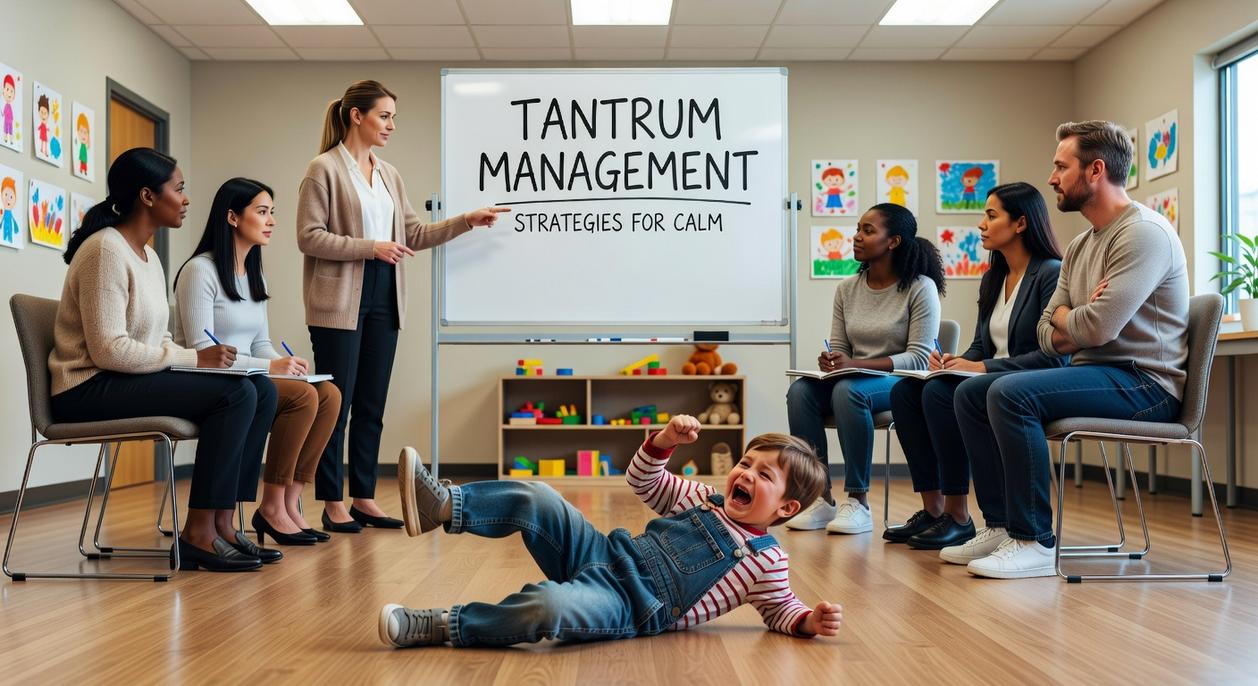
Public meltdowns feel like they last forever (even when it’s been 90 seconds). But handling public tantrums isn’t about “winning.” It’s about teaching emotional regulation—the ability to manage big feelings in healthy ways.
Some people argue you should ignore the behavior completely. Others insist you must shut it down immediately to “stay in control.” The truth? Kids don’t learn self-control from intimidation or indifference. They learn it from co-regulation—borrowing your calm until they can find their own.
Step 1: Stay Calm and Go Private
Lower your voice. Slow your breathing. (Yes, even if everyone is staring.) Your nervous system sets the tone. If possible, move to a quieter space: a hallway, empty aisle, or the car. Reducing the audience reduces the pressure.
Real-world example: In the grocery store, calmly say, “We’re going to step outside for a minute,” and walk with steady confidence. No lectures. Just movement.
Step 2: Connect and Validate
Get to their eye level. Name the feeling without surrendering the boundary:
“I see you’re very upset because you want that toy. It’s okay to feel upset.”
Validation doesn’t mean agreement. It means recognition. Studies show children calm faster when emotions are acknowledged (Siegel & Bryson, 2011).
Step 3: Offer a Simple Choice
When emotions dip even slightly, give two acceptable options:
“We’re not buying the toy. You can walk beside me or ride in the cart.”
Choices restore a sense of control—something young kids crave (think tiny CEOs in sneakers).
Step 4: Know When to Leave
If regulation isn’t happening, leave. That’s not failure; it’s wisdom. The goal isn’t finishing errands—it’s teaching skills. For more structured approaches, explore practical discipline strategies that actually teach lessons.
Pro tip: Debrief later when everyone is calm. That’s when real learning sticks.
Tailoring Your Approach: From Toddlers to Tweens
One of the biggest parenting myths is that all meltdowns are the same. They’re not. A two-year-old throwing themselves on the grocery store floor is very different from a nine-year-old sulking in line. Understanding why the behavior is happening is half the battle.
Toddlers (Ages 1–3)
At this stage, outbursts are usually about unmet physical needs or limited language skills. Toddlers lack emotional regulation (the ability to manage feelings in a socially appropriate way). If they’re hungry, tired, or overstimulated, their behavior will show it.
This is where the H.A.L.T. check—Hungry, Angry, Lonely, Tired—comes in. It’s a quick mental scan to identify root causes. A small snack or five minutes of connection can prevent a full meltdown. A well-packed “go-bag” with snacks and comfort items is gold (pro tip: rotate items to keep them interesting).
Preschoolers (Ages 4–6)
Here, behavior shifts toward boundary testing—seeing what’s allowed and what isn’t. Clear, simple consequences work best. “If we finish shopping calmly, we’ll stop at the park.” This isn’t bribery; it’s cause and effect explained in child-friendly terms.
Consistency matters. If the park disappears every time, they learn the pattern quickly.
School-Aged Kids (Ages 7+)
Older kids can practice self-regulation—pausing before reacting. Invite them into problem-solving: “We’ve got 10 minutes in line. What’s our plan?”
Some argue kids should “just behave” in public. But handling public tantrums effectively means teaching skills, not demanding perfection. Over time, collaboration builds confidence—and far fewer grocery store standoffs.
Last summer, I nearly abandoned a grocery cart after my toddler melted down in aisle five. I remember thinking it was easier to stay home than risk another scene. But handling public tantrums became manageable once I followed a simple rhythm: Prepare, Act, Reflect.
Prepare with snacks, clear expectations, and an exit plan.
Act by staying calm and connecting before correcting.
Reflect later on what triggered the moment.
This three-stage approach targets root causes, not just noise. Try one pre-outing checklist tip next time. You may be surprised how different the trip feels. Start small and build confidence steadily. Today.
You’ve Got This—Even on the Hard Days
You came here looking for real, practical ways to navigate toddler meltdowns without feeling overwhelmed or judged. Now you have actionable tools you can use immediately—from staying calm in the moment to confidently handling public tantrums without spiraling into frustration or embarrassment.
Tantrums aren’t a sign you’re failing. They’re a normal part of child development. But that doesn’t make them any less exhausting—especially when you’re juggling errands, schedules, and your own stress. The key is consistency, preparation, and responding instead of reacting.
Start applying one strategy today. Practice your calm script. Set clear boundaries. Follow through with confidence. Small, steady changes create big results over time.
If you’re tired of second-guessing yourself and want parenting advice that actually works in real life, explore more of our proven mom-tested strategies. Thousands of moms rely on us for practical, no-fluff support.
Take the next step—read the next guide, try one new tactic this week, and reclaim your confidence as a parent.

 Gladys Mayersavers writes the kind of family buzz content that people actually send to each other. Not because it's flashy or controversial, but because it's the sort of thing where you read it and immediately think of three people who need to see it. Gladys has a talent for identifying the questions that a lot of people have but haven't quite figured out how to articulate yet — and then answering them properly.
They covers a lot of ground: Family Buzz, Curious Insights, Child Development Insights, and plenty of adjacent territory that doesn't always get treated with the same seriousness. The consistency across all of it is a certain kind of respect for the reader. Gladys doesn't assume people are stupid, and they doesn't assume they know everything either. They writes for someone who is genuinely trying to figure something out — because that's usually who's actually reading. That assumption shapes everything from how they structures an explanation to how much background they includes before getting to the point.
Beyond the practical stuff, there's something in Gladys's writing that reflects a real investment in the subject — not performed enthusiasm, but the kind of sustained interest that produces insight over time. They has been paying attention to family buzz long enough that they notices things a more casual observer would miss. That depth shows up in the work in ways that are hard to fake.
Gladys Mayersavers writes the kind of family buzz content that people actually send to each other. Not because it's flashy or controversial, but because it's the sort of thing where you read it and immediately think of three people who need to see it. Gladys has a talent for identifying the questions that a lot of people have but haven't quite figured out how to articulate yet — and then answering them properly.
They covers a lot of ground: Family Buzz, Curious Insights, Child Development Insights, and plenty of adjacent territory that doesn't always get treated with the same seriousness. The consistency across all of it is a certain kind of respect for the reader. Gladys doesn't assume people are stupid, and they doesn't assume they know everything either. They writes for someone who is genuinely trying to figure something out — because that's usually who's actually reading. That assumption shapes everything from how they structures an explanation to how much background they includes before getting to the point.
Beyond the practical stuff, there's something in Gladys's writing that reflects a real investment in the subject — not performed enthusiasm, but the kind of sustained interest that produces insight over time. They has been paying attention to family buzz long enough that they notices things a more casual observer would miss. That depth shows up in the work in ways that are hard to fake.