

Raising a child today feels like walking a tightrope, doesn’t it? You’re constantly bombarded with advice and expectations. Everyone’s an expert, yet no one knows your kid like you do.
This article on advanced child development aims to cut through the noise. I’ve been there. Wondering if I’m doing enough, if I’m missing some magic formula.
You’re not alone in this.
What if you could get takeaways that actually make sense and feel doable? We dig into what’s important, not just trendy. You might ask, why trust this?
I speak from experience and practical knowledge (plus, I’ve consulted some leading experts in child development). It’s more than just theories here. We’ll explore real strategies that fit into your everyday life.
By the end, you’ll have tools to support your child’s unique growth without losing your mind. Ready to see what truly matters in your child’s development? Let’s get started.
The Foundation: Growing Secure Children
Advanced child development isn’t just about milestones and IQ scores. It’s about nurturing emotional security. When kids feel safe (emotionally, I mean), they’re free to make mistakes, learn, and explore the world.
It’s the foundation, not an afterthought.
Connect Before Correct
You want your child to listen, right? Here’s the thing: connect before you correct. When you validate their feelings first, discipline follows smoothly.
Imagine this: “I see you’re angry the blocks fell. It’s frustrating! Let’s take a breath before we clean up.” Simple, and it works wonders.
Daily ‘Emotional Check-ins’
Speaking of connection, ever tried daily “emotional check-ins”? They’re about as important as breakfast, in my opinion. Start with, “What was the rose and thorn of your day?” It encourages kids to reflect on their experiences.
Plus, it builds their emotional vocabulary. Different questions suit different ages, so keep it age-appropriate.
The Power of Undivided Attention
News flash: your phone isn’t as important as you think. Put it down. Spend 10 minutes of focused playtime with your child.
You’ll fill their “connection cup” and see fewer attention-seeking behaviors. Kids crave undivided attention like plants crave sunlight.
Emotional connection is key for cognitive development. It’s not extra credit. It’s ground zero.
By fostering this bond, we’re truly encouraging emotional intelligence kids. After all, isn’t that the ultimate goal?
Let’s not pretend that any gadget or app can substitute this core human need. So, how are you nurturing this emotional base in your child today?
Fueling the Brain and Body: Nutrition’s Secret Weapon
Ever wondered if what your child eats affects their brain? Spoiler: it does. Nutrition is a powerhouse in advanced child development.
I mean, it’s like giving their brain a toolkit. Omega-3s? Think of them as the lubricant for your kid’s brain gears.
And protein? That’s the steady fuel preventing those pesky energy crashes.
Now, let’s talk practical strategies. Mornings can be chaotic, right? So, how about ‘Power-Up’ Breakfasts?
Snacks are another battlefield. But they don’t have to be. Easy options like apple slices with nut butter or Greek yogurt with berries work wonders.
Picture this: scrambled eggs with whole grain toast or oatmeal with almond butter. Both are quick and pack a punch for sustained focus at school.
Want more? Try carrot sticks, cheese cubes, or even a handful of nuts. Simple, right?
And here’s a pro tip: involve your kids in meal prep. Yes, it might get messy, but hear me out. When they wash veggies or stir the pot, they’re more likely to eat what they’ve helped make.
Plus, they pick up life skills along the way.
So, why does this matter? Because what they eat today shapes their tomorrow. Our job as parents is to guide them, not overwhelm them.
With these simple steps, you’re giving their brain the best shot at success. And isn’t that what we all want?
The Power of Play: Where Learning Comes to Life
Play isn’t just a pastime. It’s the work of childhood. And honestly, the best vehicle for learning. to the different types of play and how each contributes to advanced child development.
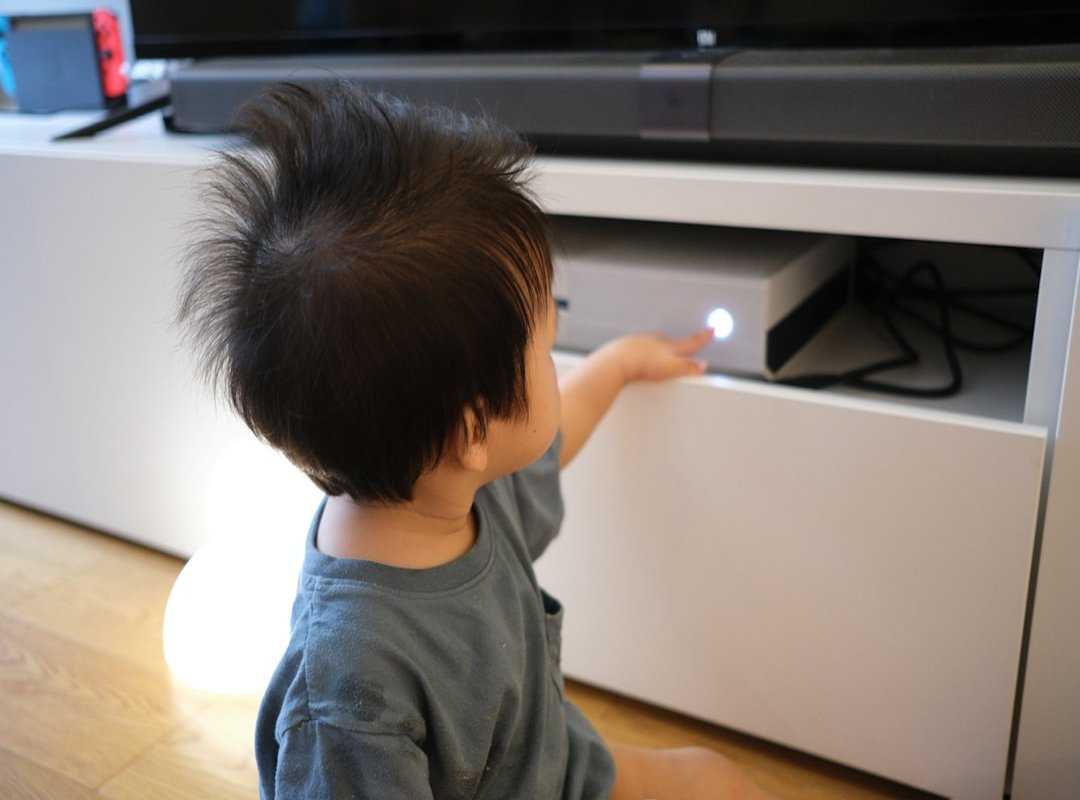
Unstructured, Child-Led Play
Unstructured play is a game-changer. It fosters creativity, problem-solving, and independence. Kids building forts with blankets or crafting stories with figurines (remember doing that?) are learning to think for themselves.
This freedom is where imagination takes center stage. Your role? Step back and let them get bored.
Boredom is the spark that ignites creativity.
Purposeful, Guided Play
Now, let’s talk guided play. Here, parents gently steer learning. Think board games.
They teach turn-taking and plan. Or puzzles for spatial reasoning. Even cooking together.
Following a recipe can boost math and reading skills. It’s about guiding, not dictating. You nudge them in a learning direction.
They learn without even realizing it.
Outdoor & Sensory Play
Finally, outdoor and sensory play. Physical movement ties directly to brain development. Running, climbing, even messy play with mud or sand, builds those key neural pathways.
Ever see a kid’s joy in a mud puddle? That’s learning in action. It helps with emotional regulation, stopping meltdowns before they start.
Kids connect with the world outside, and their brains soak it up.
Incorporating these play types ensures our kids grow with the skills they need. Want more on this topic? Check out the importance play learning page.
It covers why play is key, from creativity to emotional growth. Remember, play is important for advanced child development. Without it, we miss out on so much potential.
So, let them play. They’re not just having fun. They’re building their future.
Learning at Home: Make It Natural
Creating a learning-rich home environment doesn’t need to feel like a chore. You want learning to blend into everyday life. No one likes forced lessons.
Instead, the home can become a passive teacher. It’s about integrating education into your family’s daily rhythm. How?
Imagine a cozy reading nook. A simple spot with soft pillows and a stack of books can do wonders. Kids often find joy in reading when it’s accessible and inviting.
It’s not about ordering them to “go read.” It’s about making reading something they just want to do.
Curiosity is another solid tool. When your child asks “Why?” don’t just answer. Make them think.
Try responding with, “That’s a great question, what do you think?” This approach fosters key thinking. It makes them active participants in their own learning journey.
Even chores can be learning moments. Sorting laundry can teach colors. Setting the table can teach one-to-one correspondence.
These seemingly mundane tasks are actually opportunities in disguise. They’re small moments, but they add up.
And let’s not forget screen time. Choose quality, interactive media over passive watching. Co-viewing and discussing what’s on screen can transform a typical viewing session into a learning experience.
It’s about making media a shared activity rather than a solo endeavor.
All these methods contribute to advanced child development. They’re not flashy, but they work. They make learning part of life rather than an isolated task.
It’s about finding balance and making learning an effortless, natural part of your home.
Step Forward with Confidence
Feeling overwhelmed? Parenting isn’t about doing more, but doing what matters. Focus on love, connection, and those simple, consistent practices that build advanced child development.
Emotional security, mindful nutrition, and purposeful play (all) these create a nurturing environment. Your child needs you to be intentional, not perfect. Instead of tackling everything, choose one idea from this guide to focus on each week.
Remember, the journey of a thousand miles begins with a single, confident step. You’ve got this. Ready to make real change?
Dive in and give your child the best shot at thriving. Start now.

 Calviner Brownder writes the kind of child development insights content that people actually send to each other. Not because it's flashy or controversial, but because it's the sort of thing where you read it and immediately think of three people who need to see it. Calviner has a talent for identifying the questions that a lot of people have but haven't quite figured out how to articulate yet — and then answering them properly.
They covers a lot of ground: Child Development Insights, Real-World Parenting Tips, Momlife Wellness Practices, and plenty of adjacent territory that doesn't always get treated with the same seriousness. The consistency across all of it is a certain kind of respect for the reader. Calviner doesn't assume people are stupid, and they doesn't assume they know everything either. They writes for someone who is genuinely trying to figure something out — because that's usually who's actually reading. That assumption shapes everything from how they structures an explanation to how much background they includes before getting to the point.
Beyond the practical stuff, there's something in Calviner's writing that reflects a real investment in the subject — not performed enthusiasm, but the kind of sustained interest that produces insight over time. They has been paying attention to child development insights long enough that they notices things a more casual observer would miss. That depth shows up in the work in ways that are hard to fake.
Calviner Brownder writes the kind of child development insights content that people actually send to each other. Not because it's flashy or controversial, but because it's the sort of thing where you read it and immediately think of three people who need to see it. Calviner has a talent for identifying the questions that a lot of people have but haven't quite figured out how to articulate yet — and then answering them properly.
They covers a lot of ground: Child Development Insights, Real-World Parenting Tips, Momlife Wellness Practices, and plenty of adjacent territory that doesn't always get treated with the same seriousness. The consistency across all of it is a certain kind of respect for the reader. Calviner doesn't assume people are stupid, and they doesn't assume they know everything either. They writes for someone who is genuinely trying to figure something out — because that's usually who's actually reading. That assumption shapes everything from how they structures an explanation to how much background they includes before getting to the point.
Beyond the practical stuff, there's something in Calviner's writing that reflects a real investment in the subject — not performed enthusiasm, but the kind of sustained interest that produces insight over time. They has been paying attention to child development insights long enough that they notices things a more casual observer would miss. That depth shows up in the work in ways that are hard to fake.