

If you’ve ever wondered how the small, everyday moments at home shape who your child becomes, you’re not alone. Many parents are searching for practical ways to create deeper connection, stronger values, and lasting confidence in their kids. This article explores how meaningful family traditions and consistent routines play a powerful role in shaping child identity, emotional security, and long-term development.
Drawing from child development research, expert-backed parenting strategies, and real-world family experiences, we break down why these rituals matter more than you might think. You’ll discover simple, realistic ways to build traditions that fit into busy schedules—without adding pressure or perfection.
Whether you’re raising toddlers or tweens, this guide will help you understand how everyday habits influence your child’s sense of belonging, self-worth, and resilience—and how to intentionally create moments that truly last.
The Power of Everyday Rituals
Scrolling through social media, it’s easy to think only epic vacations count. But children build identity through repetition. Taco Tuesdays, bedtime stories, Sunday walks—these small rhythms become anchors.
Consistency whispers who we are. Research shows predictable routines boost emotional security (American Academy of Pediatrics).
Critics argue kids need grand gestures. I disagree. Ordinary moments are the real stage (sorry, Disney).
Understanding family traditions and child identity means noticing what you already repeat.
Pro tip: name your rituals out loud.
My speculation: families who protect these micro-customs will raise more resilient, self-aware kids in an algorithm-driven future. Small beats spectacular. Always.
When we talk about ‘family customs,’ we’re not just talking about Thanksgiving dinner or big birthday parties. Customs are the repeated behaviors—large and small—that quietly shape a household. In other words, they’re the rhythms kids come to expect.
I’m not sure every expert agrees on the labels, but it helps to think of two types:
- Active Traditions: annual vacations, holiday meals, reunion photos.
- Passive Rituals: the way you say good morning, Sunday pancakes, bedtime stories whispered in the dark.
Active traditions are memorable (and Instagrammable). Passive rituals are often invisible. Yet research in developmental psychology suggests predictability builds emotional security, which supports identity formation (Harvard Center on the Developing Child).
I can’t promise every routine guarantees confidence. Still, those small, daily cues of “this is how we do things” form the bedrock of belonging. That’s why conversations about family traditions and child identity matter more than we realize.
The Blueprint for “Self”: How Rituals Build Personal Identity
Children don’t build identity through big speeches. They build it through repetition. Through rhythm. Through the small, predictable moments that quietly say, you are safe here.
Predictability and Safety
A consistent bedtime ritual—bath, pajamas, two stories, lights out—signals stability. Predictability lowers stress hormones in children, helping them feel secure enough to explore who they are (American Academy of Pediatrics). When a child knows what comes next, their brain isn’t busy scanning for danger; it’s free to imagine, question, and create. Think of routine as emotional Wi‑Fi: invisible, but everything works better when it’s strong.
A Sense of Belonging
Inside jokes at dinner. A secret handshake. Friday night pizza eaten on the living room floor. These moments quietly shape family traditions and child identity. They communicate, This is how we do things here. Belonging isn’t taught—it’s experienced. And kids who feel anchored to a group show stronger self-esteem and social resilience (Harvard Center on the Developing Child).
Values in Action
“Tidy-Up Fridays” teach responsibility without a lecture. Sunday calls to grandparents model loyalty and connection. Values demonstrated repeatedly become internal beliefs. (Pro tip: narrate the “why” occasionally—kids absorb meaning when it’s brief and authentic.)
Building Competence
When children stir pancake batter or choose the bedtime story, they practice agency. Small roles build capability. Capability builds confidence. Over time, participation shifts from “I help” to I can. And that quiet belief? That’s the foundation of identity.
Connecting to a Bigger Story: Weaving in Cultural Identity
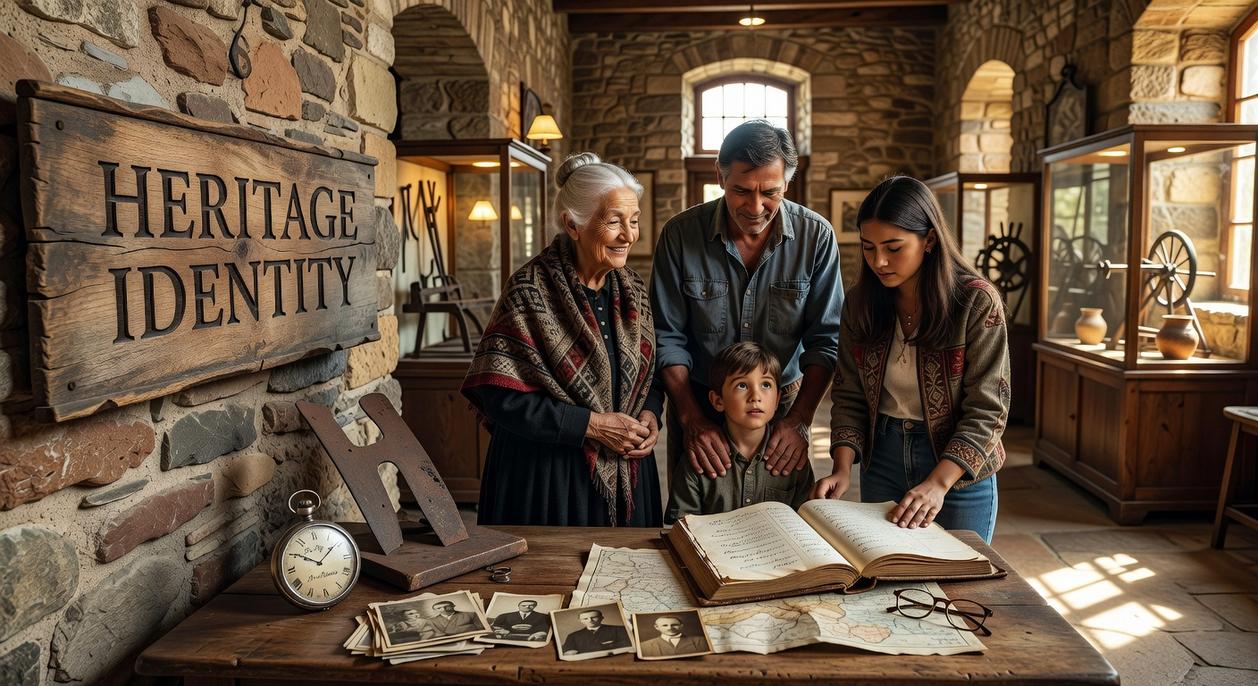
Customs as a Cultural Bridge
For many children, culture isn’t first learned in a textbook—it’s felt at the dinner table or during bedtime rituals. Family customs are often a child’s earliest introduction to heritage. Research from the American Psychological Association shows that children who have regular family rituals report stronger emotional security and identity formation. That’s because predictable traditions—Sunday meals, holiday prayers, even specific birthday songs—create continuity. In other words, family traditions and child identity are deeply intertwined (even if kids just think it’s “the way we do things”).
Food as a Gateway
Food activates memory through taste and smell, two senses strongly linked to emotional recall, according to Harvard Health. Preparing traditional dishes together—rolling dumplings, seasoning rice, kneading dough—turns cooking into storytelling. Share why Grandma always added extra cinnamon or how a recipe traveled across oceans. These small narratives anchor children to their roots in a tangible way. (Pro tip: Let your child “own” one recipe—they’re more likely to value it long term.)
Language and Stories
Hearing lullabies or phrases in a heritage language builds neural connections tied to belonging. Studies in bilingual development show cognitive benefits, but there’s also emotional richness. Folktales and proverbs carry cultural values in compact, memorable ways—think of them as life lessons wrapped in adventure.
Celebrating Heritage
Even far from your homeland, you can mark festivals with crafts, music, or traditional clothing. Community centers and cultural associations often livestream events. Connecting celebrations to friendships—like those explored in the psychology behind childhood friendships—helps children see culture as something lived, not just remembered.
Building identity doesn’t require grand gestures; in fact, the most lasting impact often comes from what you repeat daily.
Start with a “One-a-Day” ritual: one small, unbreakable habit that anchors your child’s sense of belonging. It could be a special handshake, a shared song in the car, or asking the same question at dinner—What made you feel brave today? After three months, these tiny moments start to feel sacred (and kids will call you out if you skip it).
Next, try a “Family Story Jar.” Throughout the week, jot down funny memories or milestones, then read one aloud every Sunday. Back in 2020, many families leaned on simple rituals like this to stay connected, and the habit stuck.
You can also map your heritage. Create a visual story map with photos, mark where relatives came from, and spotlight one ancestor each month. Over time, children see themselves as part of something bigger.
Finally, do a “Customs Audit.” Identify three to five things you already do—Friday pizza, birthday pancakes, bedtime prayers—and name them as traditions. When you intentionally protect these rhythms, you strengthen family traditions and child identity in ways that last. Small steps today shape tomorrow’s confidence and pride.
Your Family’s Unique Fingerprint is Your Child’s Greatest Gift
I used to think I needed color-coded routines and Pinterest-worthy holidays to be a good mom. I was exhausted. Then one night, my child asked for our “silly Friday dance” instead of a new toy. That’s when it clicked.
The pressure to perform parenting perfectly is loud. But children don’t crave perfection; they crave connection (and your undivided attention beats any elaborate craft).
Research from Harvard’s Center on the Developing Child shows consistent, responsive interactions build lifelong resilience.
Here’s what actually shapes family traditions and child identity:
- Repeated small rituals
- Shared inside jokes
- Predictable moments of togetherness
Pick one simple ritual this week. Be intentional. Watch your child stand a little taller.
Keep Building What Matters Most
You came here looking for practical ways to strengthen your bond at home and create meaningful moments with your kids. Now you have simple, realistic strategies you can start using right away.
When life feels busy and overwhelming, it’s easy to let meaningful moments slip through the cracks. But the small, consistent habits you build today shape your family traditions and directly influence your child’s sense of child identity for years to come.
The key is to start small and stay consistent. Pick one routine, one ritual, or one connection point this week and commit to it. Watch how those tiny efforts compound into deeper trust, stronger confidence, and a more connected home.
If you’re tired of second-guessing your parenting and want proven, real-world strategies that actually work, explore more of our practical mom-life guides trusted by thousands of families. Start today and turn everyday moments into lasting impact.

 Gladys Mayersavers is a dedicated parenting contributor offering research-based advice, real-life experiences, and thoughtful guidance for nurturing confident, happy children.