
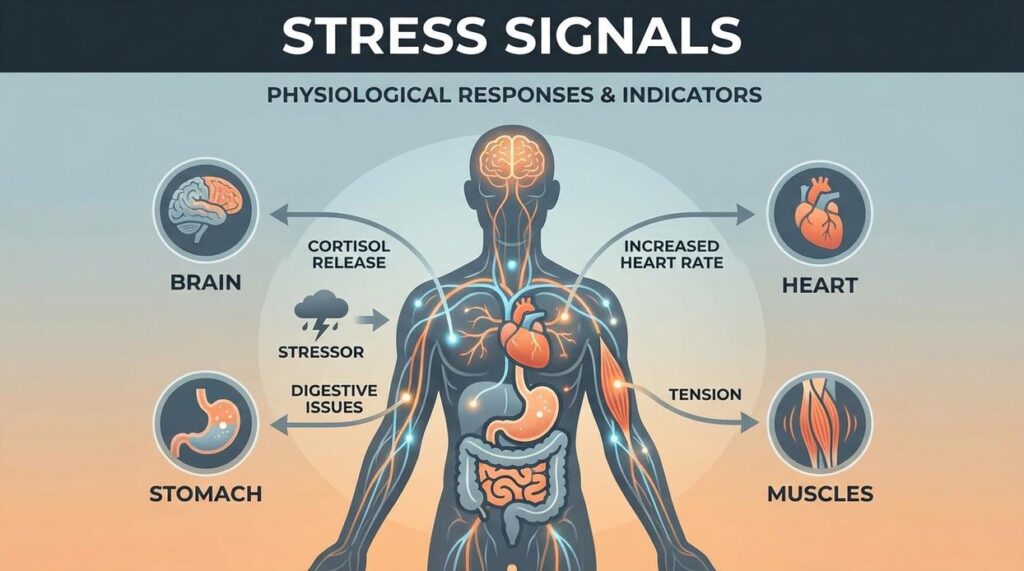
If you’re searching for clear answers about parental stress effects on children, you’re likely worried about how your daily pressures might be shaping your child’s emotional and behavioral development. Parenting is demanding, and when stress builds up, it can quietly influence everything from a child’s mood and sleep to their long-term resilience and relationships.
This article breaks down what research actually says about how parental stress impacts children, the signs to watch for at different developmental stages, and practical steps you can take to reduce its effects at home. We’ve drawn on established child development studies and evidence-based wellness strategies to ensure the guidance here is grounded in science—not guesswork or social media trends.
By the end, you’ll understand what’s happening beneath the surface and feel equipped with realistic, everyday tools to create a calmer, more supportive environment for your family.
When Our Hard Days Spill Over
Spilled milk. Missed deadlines. Sleepless nights. We’ve all been there. I used to think my stress stayed contained, like steam in a kettle. I was wrong. My short tone and distracted nods echoed in my child’s mood and behavior. Research on parental stress effects on children shows emotional tension can shape cognitive growth and social confidence (APA, 2020). That stung—but it helped. I learned that self-regulation is modeling. Taking five-minute resets, naming my feelings, and apologizing when I snapped changed everything. Stress happens. Letting it teach us is the real parenting win every day.
The Unseen Connection: How a Parent’s Nervous System Shapes a Child’s
Have you ever noticed how your child melts down faster when you’re already overwhelmed? That’s not coincidence. It’s emotional co-regulation—the process where a child’s nervous system mirrors the emotional state of their caregiver. In simple terms, kids “borrow” your calm (or your chaos) because their brains are still learning how to self-regulate.
Research shows this connection is biological, not just behavioral. When a parent’s cortisol—the body’s primary stress hormone—rises, children often show elevated cortisol levels too (Gunnar & Quevedo, 2007). Studies on parental stress effects on children consistently link chronic caregiver stress with increased anxiety and behavioral challenges in kids (National Scientific Council on the Developing Child, 2014). That’s powerful evidence.
Think of emotional contagion like a tense car ride. One sharp sigh, tight grip on the steering wheel, and suddenly everyone feels on edge. No one announced, “We’re stressed now.” The mood just spread.
The good news? Calm spreads too. A regulated parent acts as a safe harbor, signaling, “You’re safe, even if this is hard.” Over time, children internalize that steadiness. (Pro tip: slow your breathing first—your child’s nervous system is watching.)
From Cries to Confidence: Stress’s Effect Across Key Developmental Stages
Stress doesn’t just stay with adults. It echoes through the house—sometimes quietly, sometimes loudly. As one exhausted mom once admitted, “I didn’t realize my toddler could feel my tension until she stopped sleeping through the night.” That moment says a lot.
Infants & Toddlers (0–3)
At this stage, children rely on attachment security—a deep sense that a caregiver is consistently responsive. Psychologist John Bowlby defined attachment as the emotional bond that gives a child a “secure base” for exploration (Bowlby, 1969). However, chronic stress can interrupt that bond. When responses become inconsistent—warm one day, withdrawn the next—babies may struggle with emotional regulation (the ability to manage feelings appropriately).
As a pediatric nurse once explained, “Babies don’t understand bills or deadlines. They understand tone and touch.” Research shows prolonged household stress is associated with disrupted sleep patterns and higher cortisol levels in young children (Harvard Center on the Developing Child, 2014).
Preschoolers (3–5)
Next, stress often shows up in behavior. Preschoolers can’t articulate tension, so they act it out. “He’s hitting more at daycare,” one parent shared, “but nothing has changed—except our stress.”
Children this age may:
- Struggle with impulse control
- Have more frequent meltdowns
- Show difficulty forming peer friendships
In other words, they mirror what they absorb. (Think emotional sponge, but with sneakers and snack demands.)
School-Aged Children (6–12)
By elementary school, kids internalize more. A teacher once noted, “Some students carry worry like a heavy backpack.” That worry load—persistent background anxiety—can crowd out attention needed for learning. Studies link stressful home environments to increased anxiety and lower academic performance (APA, 2020).
Still, some argue kids are “resilient” and simply adapt. That’s partly true—resilience is real. But ignoring parental stress effects on children overlooks how chronic tension shapes self-esteem and focus. When mental energy goes toward stability, there’s less room for curiosity. (Which makes resources like why children ask so many questions the science of curiosity especially meaningful.)
Ultimately, from first cries to classroom confidence, stress leaves fingerprints—subtle, but lasting.
Is Your Stress Showing? Telltale Signs in Your Child’s Behavior

Children are emotional sponges. When parental stress effects on children show up, they often appear in subtle but noticeable behavior shifts. Here’s what to watch for:
- Increased clinginess or separation anxiety – If your child suddenly refuses school drop-off, try creating a short, consistent goodbye routine (quick hug, reassuring phrase, exit).
- Regression in milestones – Potty-trained kids having accidents again may need reassurance, not punishment. Calmly revisit basics for a few days.
- Changes in eating or sleeping habits – Trouble falling asleep? Add a predictable wind-down ritual: bath, book, bed.
- More frequent or intense tantrums – Pause before reacting. Label feelings out loud (“You seem frustrated”) to help them regulate.
- Physical complaints – Ongoing stomachaches or headaches without illness can signal anxiety. Gently ask about worries.
- Social withdrawal – If they skip playtime, arrange a low-pressure one-on-one meetup.
In short, behavior is communication (even when it’s loud). Small, steady adjustments at home can make a big difference.
Breaking the Cycle: 5 Actionable Ways to Protect Your Child’s Peace
Parenting is beautiful—and overwhelming. The good news? Small shifts create big benefits for your child’s emotional safety (and your sanity).
1. The “Repair Ritual.” After a tense moment, reconnect. A simple “I’m sorry I raised my voice” rebuilds trust. Repair teaches kids that conflict isn’t the end of connection—it’s a bridge back to it.
2. Externalize the Stress. Say, “Mommy is feeling frustrated right now, it’s not your fault.” This separates your emotions from your child’s identity. Over time, this protects their self-esteem and reduces anxiety linked to parental stress effects on children.
3. The 10-Second Pause. Before reacting, inhale for four, exhale for six. That brief reset lowers cortisol (the stress hormone) and models regulation in real time.
4. Create “Calm Zones.” A cozy corner with pillows signals safety. Think of it as a family reset button.
5. Prioritize Micro-Connections. Five focused minutes—no phone—fills your child’s attention tank, making cooperation easier later. In the long run, these moments build resilience.
Searching for this tells me something important: you care deeply about your child. Stress is part of parenting, but its impact doesn’t have to define your family. Research shows parental stress effects on children can influence behavior, sleep, and emotional regulation (American Psychological Association). Yet studies also confirm that repair after conflict builds resilience. The goal isn’t eliminating pressure; it’s managing it consciously and reconnecting. One calm moment can reset a hard day. This week, choose one small strategy and try it. That simple step is a powerful act of love for both of you. Progress begins with awareness today.
You came here looking for real, practical ways to manage the daily pressure of motherhood—and now you have them. From simple routine resets to mindset shifts and support systems, you’re better equipped to handle the overwhelm instead of letting it handle you.
The truth is, stress doesn’t just weigh on you. parental stress effects on children are real, shaping their emotional security, behavior, and long-term well-being. When you’re constantly stretched thin, they feel it too. And that’s not guilt—it’s awareness. Awareness gives you the power to change the pattern.
Small, consistent adjustments can transform your home from tense and reactive to calm and connected. The key is taking action before burnout becomes your normal.
Take Back Control of Your Mom Life
You don’t have to keep running on empty. If you’re tired of feeling overwhelmed and worried about how it’s impacting your kids, now is the time to reset. Join thousands of moms who trust Fp Mom Life for practical, proven parenting strategies that actually work in real homes. Start implementing one stress-reducing habit today—and if you’re ready for deeper support, explore our most-loved resources and routines designed to bring peace back into your family life. Your calmer, more confident mom life starts now.

 Calviner Brownder is a passionate parenting writer sharing practical guidance, child development insights, and supportive advice for modern families.