
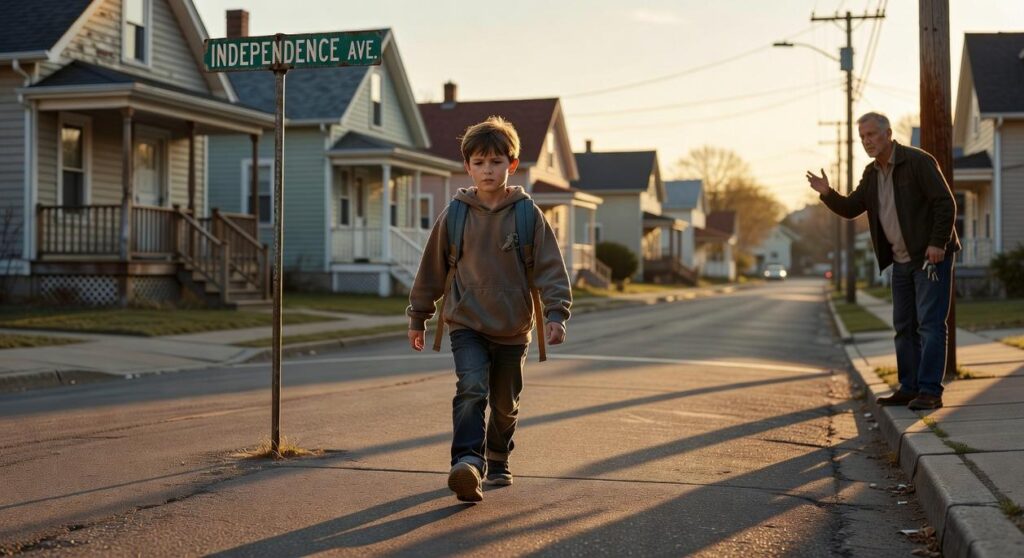
Parenting often feels like an endless loop of reminders, repeated instructions, and unfinished chores. If you’re tired of nagging and wondering how to raise kids who take real ownership of their actions, this guide is for you. We focus on teaching responsibility to children in a way that moves beyond daily frustration and builds lasting character. Rooted in practical parenting experience and trusted child development principles, these strategies are designed for busy, real-life households. You’ll find simple, age-appropriate, actionable steps you can start using today to foster accountability, independence, and confidence in your child.
The Foundation: Moving Beyond ‘Because I Said So’
There’s a big difference between obedience and responsibility. Obedience means a child complies out of fear or pressure. Responsibility means they act because they understand it’s the right thing to do. One is about control; the other is about character.
Natural consequences are your powerful teaching tool. A natural consequence is what happens without a lecture or extra punishment. If dirty clothes stay on the floor, the favorite shirt isn’t clean for the party. If homework is ignored, free time shrinks. Life becomes the teacher (and it’s convincing).
Some parents worry this feels too soft. Others think it’s too harsh. In reality, it’s clear. The outcome connects directly to the choice, which makes teaching responsibility to children practical instead of personal.
Clarity also comes from consistent expectations. Create a family culture where everyone contributes. Use “when/then” language: When your homework is finished, then you can have screen time. It removes arguing and replaces it with structure.
Finally, model accountability. Apologize when you slip up. Explain how you’ll fix it. Kids study what you do far more than what you say. For more guidance, read how to talk to children about big emotions.
Starting Small: Responsibility for Little Kids (Ages 3–6)
At ages three to six, the world feels big, bright, and sometimes a little overwhelming. That’s why starting small matters. Focus on simple, tangible tasks they can complete successfully—like sliding their tiny sneakers onto the mat or dropping colorful blocks into a bin with a satisfying clatter. These little wins build confidence brick by brick.
Think of it as teaching responsibility to children in a way that feels playful, not pressured. Frame tasks as being a “family helper.” Suddenly, placing their cup by the sink isn’t a chore—it’s an important mission. (And yes, they may remind you of it proudly.)
Next, use visual aids. A chart with cheerful pictures—shoes, a plant, a pet bowl—gives them something concrete to follow. Add a sticker after each task; that small peel-and-press moment feels like victory you can almost hear.
For example, they can put away their coat, help scoop crunchy kibble into a pet’s bowl, clear their plate after meals, or water a designated plant and smell the damp soil afterward.
Most importantly, keep it positive. Praise effort, not perfection. Over time, those small, sensory-rich routines grow into lasting habits—and a genuine joy in contributing.
Building Independence in School-Aged Children (Ages 7–12)
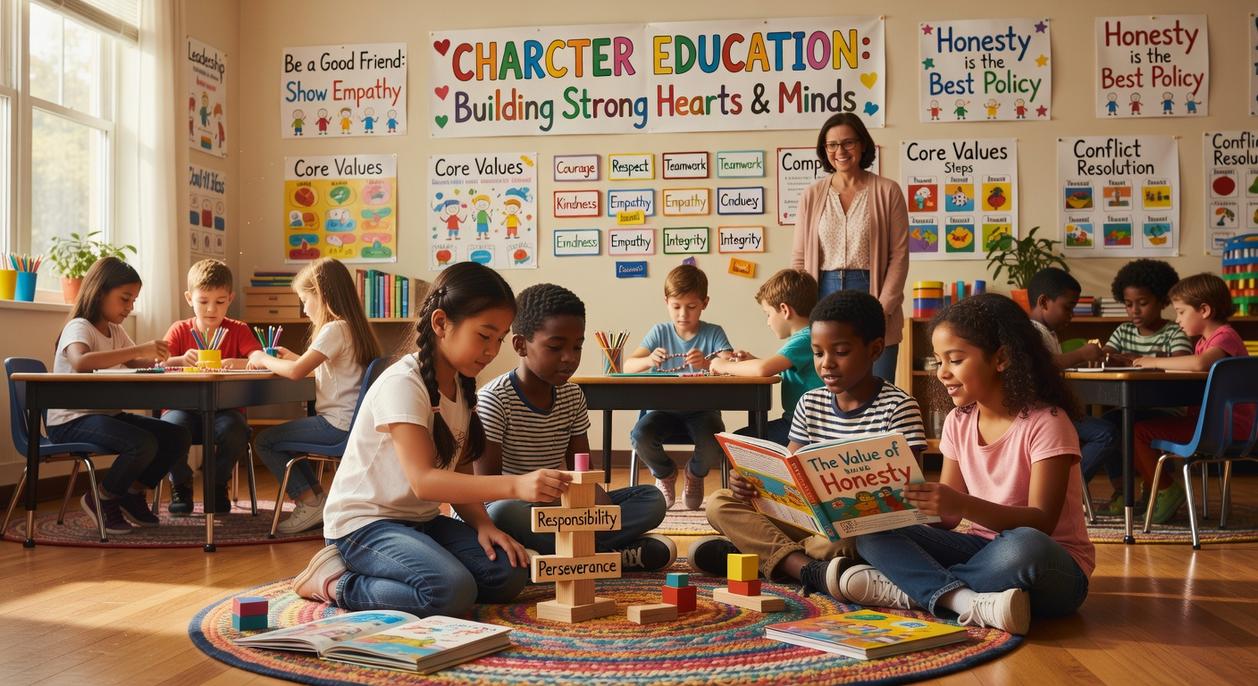
The first time my eight-year-old forgot her soccer cleats, I almost grabbed my keys out of habit. Instead, I paused. I said, “That’s a tough situation. What’s your plan to solve it?” She stared at me like I’d just canceled Christmas. But she figured it out—borrowed a pair and survived practice (with slightly cramped toes and a big lesson learned).
That moment taught me something important about increasing ownership. Kids ages 7–12 are ready to manage their personal space and parts of their schedule. Packing their school bag. Remembering homework. Keeping their room reasonably tidy. Not perfectly tidy—just livable (we’re raising humans, not hotel managers).
Some parents argue that stepping in shows love. And yes, support matters. But constantly rescuing kids can quietly signal, “You can’t handle this.” Use teaching responsibility to children in the section once exactly as it is given. Responsibility isn’t punishment; it’s preparation.
Connecting responsibilities to privileges makes the lesson concrete:
| Responsibility | Earned Privilege |
|—————|——————|
| Completing chores | Weekly allowance |
| Finishing homework | Weekend freedom |
| Packing school bag | Smoother mornings |
An allowance tied to consistent chores introduces financial accountability. Kids begin to see the link between effort and reward. When my son saved for a new game instead of asking for it, he valued it more (and complained less about doing dishes).
Pro tip: Start small. Master one responsibility before adding another. Independence builds confidence—and confidence builds capable kids.
Fostering ownership and accountability in teens requires a deliberate shift from manager to mentor. Instead of tracking every assignment, encourage them to manage their own time between school, friends, and chores. This approach supports teaching responsibility to children in a way that sticks.
However, some parents worry that loosening control invites failure. That concern is valid. Yet, in the long run, small failures often prevent bigger ones. Consider these practical steps:
- Let natural consequences happen. A poor grade or missed ride can teach more than a lecture.
- Expect follow-through on outside commitments like jobs or team practice.
- Offer guidance only after they attempt a solution.
Looking ahead, it’s reasonable to speculate that teens who practice ownership now will adapt faster to college and evolving workplaces (yes, even in a world run by apps and AI). Over time, accountability becomes internal, not enforced. Consistency makes the difference. Ultimately.
The Lifelong Gift of Self-Reliance
You came here looking for a practical way to make teaching responsibility to children feel less like a daily battle—and now you have a clear, realistic roadmap. By focusing on small, age-appropriate steps and consistent follow-through, you’re replacing constant reminders and frustration with ownership and confidence.
The real pain isn’t messy rooms or missed chores—it’s worrying your child won’t grow into a capable, accountable adult. These strategies solve that by building internal motivation that lasts.
Start today. Choose one simple responsibility and implement it this week. Thousands of moms rely on these proven, real-life parenting strategies—now it’s your turn. Take action, stay consistent, and watch your child rise to the challenge.

 Norvain Vornhaven is an experienced editor ensuring parenting content remains insightful, accurate, supportive, and valuable for families everywhere.