
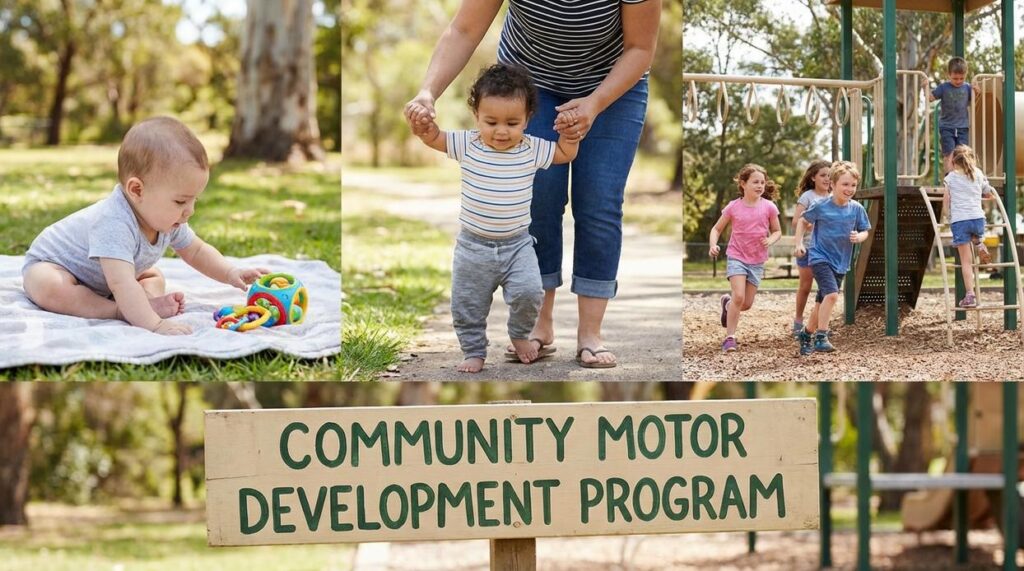
As a parent, your to-do list never really ends. Between school schedules, meals, activities, and milestones, it’s easy to overlook something that feels simple but carries lifelong impact: play. We all know play is “good” for kids, yet few of us truly understand the importance of play in child development and how deeply it shapes cognitive skills, emotional resilience, and physical growth. Backed by established child development research and real-world parenting insight, this guide breaks down why play isn’t just downtime—it’s the foundation of healthy development, and how you can use it intentionally to help your child truly thrive.
The Cognitive Powerhouse: How Play Builds a Better Brain
Play is not frivolous; it is brain architecture in motion. In fact, researchers at Harvard’s Center on the Developing Child note that playful, back-and-forth interactions strengthen neural connections that support learning and memory. In other words, the importance of play in child development isn’t sentimental—it’s biological.
To begin with, problem-solving blooms during simple activities. When a child stacks blocks without toppling them, they test cause and effect (the relationship between actions and outcomes). Similarly, puzzles sharpen spatial reasoning and logical sequencing. It may look like fun and games, but it’s early engineering practice.
Meanwhile, imaginative play becomes a language laboratory. As children role-play doctors, astronauts, or superheroes (yes, capes optional), they expand vocabulary and practice conversational turn-taking. The American Academy of Pediatrics emphasizes that play-based learning supports healthy language growth.
Then there’s executive function—the brain’s management system responsible for focus, impulse control, and working memory. Games like “Simon Says” train children to pause before acting and follow multi-step directions.
Looking ahead, experts speculate that as screens become more immersive, unstructured play may become even more valuable—perhaps even prescribed like homework. Pro tip: protect daily free-play time now; future classrooms may reward the kids who practiced it most.
More Than Just Feelings: Play’s Role in Emotional and Social Growth
A child’s emotional intelligence (EQ)—the ability to recognize, understand, and manage emotions—often predicts long-term happiness more accurately than test scores (Harvard Center on the Developing Child). And where does EQ grow best? Play.
Learning Empathy and Cooperation
When kids share toys or decide who goes first in a board game, they’re practicing perspective-taking (understanding someone else’s feelings). If two siblings both want the same truck, guide them through a simple script: “How can we solve this so it feels fair?” This builds negotiation skills instead of resentment. Pro tip: Use a kitchen timer for turn-taking—it removes you as the “referee.”
Processing Big Feelings Safely
Pretend play acts like emotional rehearsal. A child pretending to be a doctor giving shots may actually be working through fear of their last appointment. Encourage this by asking open-ended questions: “How does the patient feel?” This reinforces the importance of play in child development while keeping emotions manageable (like method acting, minus the drama).
Building Resilience and Confidence
When a block tower crashes, resist fixing it. Say, “What could we try differently?” This teaches resilience—the ability to recover from setbacks. Small failures during play create confident problem-solvers later (and save you from rebuilding that tower forever).
From Blocks to Balance: Developing Physical and Motor Skills Through Play
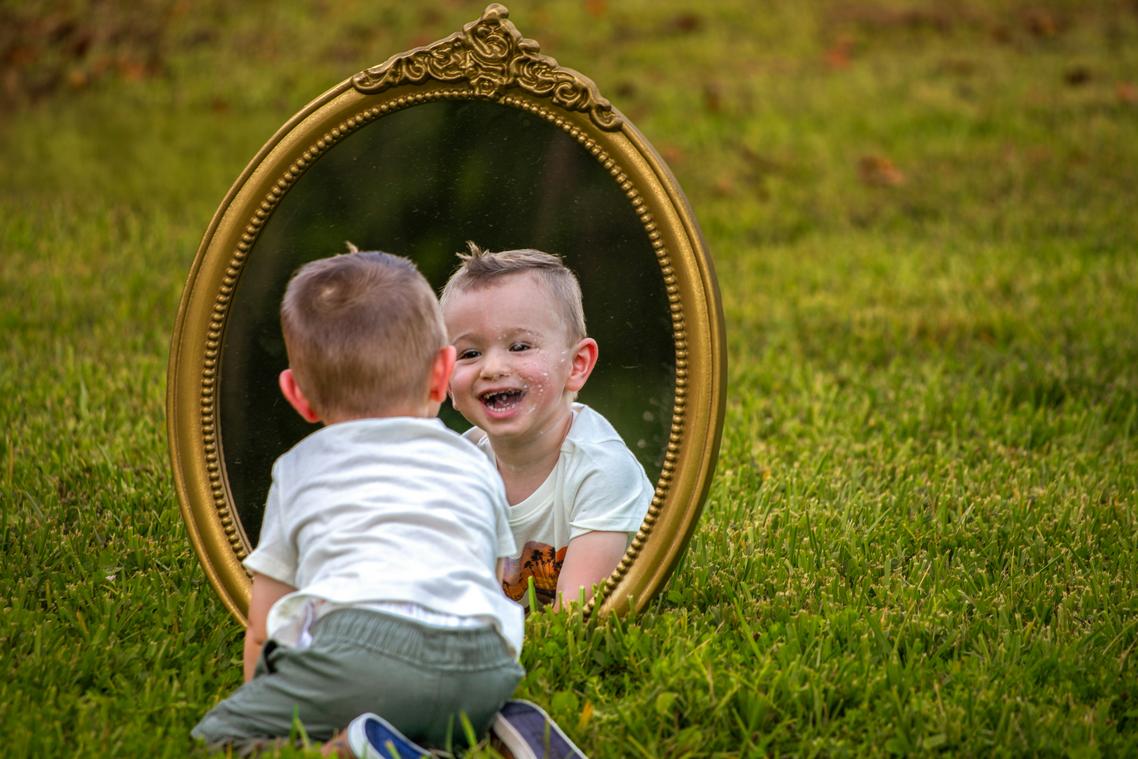
A child’s body grows almost overnight. One day they wobble; the next, they’re sprinting across the yard, sneakers slapping against pavement. This visible progress highlights the importance of play in child development.
First, consider gross motor skills—abilities that involve large muscle groups like the legs, arms, and core. When children run, jump, or climb jungle gyms, they feel the rush of wind on their faces and the stretch of muscles reaching higher than before. These movements strengthen coordination, balance, and heart health. Some argue that structured sports alone are enough. However, unstructured playground play often builds adaptability and confidence in ways drills simply can’t.
Meanwhile, fine motor skills focus on smaller muscles in the hands and fingers. Think of the squish of clay between palms or the careful snip of scissors through paper. These actions sharpen hand-eye coordination, preparing children for writing and other tasks tied to the language development stages every parent should know (https://fpmomlife.net/language-development-stages-every-parent-should-know/).
Finally, sensory play—like cool sand slipping through fingers or water splashing against skin—helps the brain organize sights, sounds, and textures. Although messy, these moments build focus and self-regulation. In the end, a little dirt under the nails often signals meaningful growth.
Simple, Powerful Play Ideas for Every Stage
Incorporating developmental play doesn’t require expensive gadgets or Pinterest-perfect setups. In fact, research from the American Academy of Pediatrics shows that simple, responsive play strengthens brain architecture in the first five years of life. That’s why understanding the importance of play in child development isn’t just helpful—it’s foundational.
For Infants (0–1 Year): Focus on sensory exploration. Tummy time on textured mats builds core strength and prevents flat spots, according to the NIH. Play peek-a-boo to support object permanence (the understanding that things exist even when out of sight). Offer safe objects to grasp and mouth—this is early problem-solving in action. And remember, your voice and face? Still the headlining act.
For Toddlers (1–3 Years): Next, encourage movement and imagination. Stacking blocks improves spatial awareness, while shape sorters strengthen fine motor skills. Pretend kitchens and toolsets nurture symbolic thinking—the ability to let one object represent another. Outdoor play boosts mood and attention span (yes, even at age two).
For Preschoolers (3–5 Years): Finally, introduce simple board games to teach turn-taking and patience. Art supplies build hand strength for writing. According to Harvard’s Center on the Developing Child, imaginative play also supports executive function skills. For more developmental tips, visit child development basics.
Making Play a Priority in Your Family’s Routine
You came here looking for reassurance that making time for fun isn’t falling behind—it’s moving your child forward. Now you know the truth about the importance of play in child development and how it fuels learning, confidence, and connection all at once.
For busy parents, the real struggle isn’t knowing play matters—it’s finding the time and energy. But even small, intentional moments can make a lifelong impact.
Start with just 15 minutes today. Choose one simple activity and be fully present. Thousands of moms rely on these proven, real-life strategies—now it’s your turn. Make play the priority your child deserves.

 Norvain Vornhaven is an experienced editor ensuring parenting content remains insightful, accurate, supportive, and valuable for families everywhere.