

The idea of the “traditional” family has shifted dramatically, and many parents are feeling the pressure. Between demanding work schedules, digital overload, and a growing focus on wellness, balancing modern life can feel overwhelming. This guide cuts through the noise to highlight the family lifestyle trends shaping 2024 and what they actually mean for your home. Drawing on real-world parenting experience and practical strategies, we focus on what works—not just theory. You’ll discover key shifts in parenting, household management, and family wellness, along with simple routines you can start using right away to create a calmer, more connected home.
Beyond Discipline: The Shift to Conscious Parenting
Conscious parenting—often called gentle parenting—is a child-rearing approach that prioritizes connection over correction. Instead of focusing on punishment, it emphasizes empathy, emotional awareness, and mutual respect. In simple terms, it asks parents to see behavior as communication (because it usually is), not defiance.
Traditional authoritarian parenting, by contrast, centers on strict rules and obedience: “Because I said so.” While structure is important, research from the American Psychological Association shows that overly harsh discipline can increase anxiety and lower self-esteem in children. Conscious parenting shifts the goal from controlling behavior to teaching emotional regulation—the ability to manage feelings in healthy ways.
So how do you actually DO this in real life?
Try the Connect Before You Correct method:
- Get on your child’s eye level.
- Name the emotion: “You’re really frustrated right now.”
- Validate it: “That makes sense.”
- Then guide the behavior: “We don’t hit. Let’s find another way.”
For example, if your child throws a toy, instead of immediate timeout, pause and connect first. (Yes, even when you’re tired.) Once they feel understood, they’re more open to correction.
Critics argue this approach is too soft. But empathy isn’t permissiveness. It’s leadership with warmth. In today’s family lifestyle trends, many parents are choosing connection because it builds long-term resilience—not just short-term compliance.
Pro tip: Stay calm first. Regulation is contagious.
The Digital Household: From Screen Time Battles to Smart Connectivity
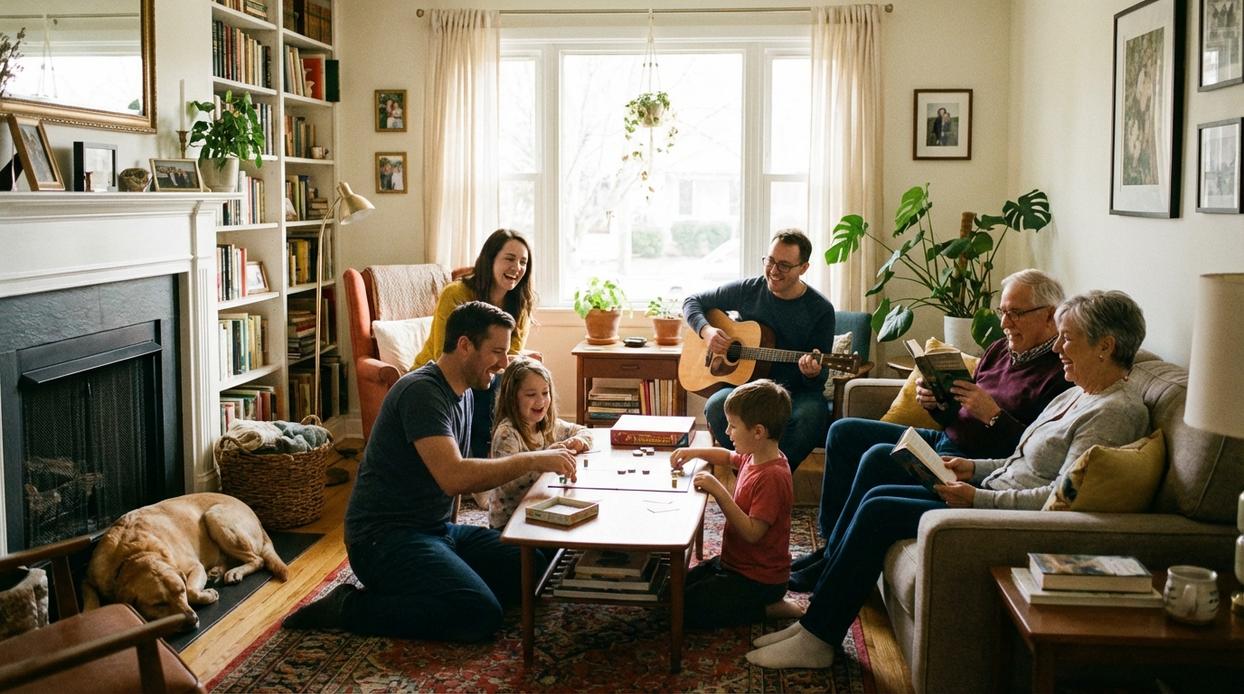
Screens aren’t going anywhere. In fact, they’re woven into homework, entertainment, and even how grandparents say goodnight. So the real question isn’t if kids should use devices—it’s how we guide that use. When families shift from fighting screens to managing them, stress drops and connection rises (yes, even during Minecraft marathons).
Trend Spotlight: Co-Viewing Is the New Normal
One of the healthiest shifts in family lifestyle trends is co-viewing—parents using technology with their children. That might look like solving puzzles on an educational app, building a digital city together, or watching a documentary and actually discussing it afterward. Co-viewing turns passive scrolling into active engagement.
The benefit? Kids develop critical thinking and communication skills because you’re there to ask questions and model curiosity. Instead of tech replacing family time, it enhances it. (Think less “zombie scrolling,” more collaborative adventure.)
At the same time, boundaries matter. A simple parenting hack: create a “Tech-Free Zone.” For example, keep the dinner table and the hour before bed device-free. These consistent limits build self-regulation—the ability to manage impulses without constant reminders.
Over time, this balanced approach teaches digital citizenship, which means using technology responsibly, respectfully, and safely. Kids learn not just how to tap and swipe—but when to unplug. And that’s a skill that pays off long after the Wi-Fi password changes.
Redefining Roles and Sharing the Mental Load
Last year, I found myself lying awake at 2 a.m., mentally tracking dentist appointments, daycare forms, and whether we were out of coffee. My partner was snoring peacefully beside me. That invisible checklist? That’s the mental load—the behind-the-scenes planning, organizing, and anticipating that keeps a household running (even when no one sees it).
The mental load isn’t about who washes the dishes. It’s about who remembers the soap is running low. Psychologists describe it as cognitive labor—the constant task management happening in one partner’s head (Daminger, 2019). And for years, it disproportionately fell on mothers.
But HERE’S THE SHIFT.
Modern families are actively redistributing that weight. More fathers are stepping into primary caregiver roles, handling school pickups, scheduling pediatric visits, and planning meals. Some critics argue that strict role definitions “worked fine” for previous generations. Maybe. But burnout rates among parents—especially moms—tell a different story (APA, 2023).
One small change made a big difference in our house:
- Weekly Family Sync-Up (15 minutes, Sunday night)
- Review schedules
- Delegate tasks
- Plan meals
It sounds simple (almost too simple), but writing responsibilities down makes the load visible—and shareable.
This isn’t just about fairness. It reduces stress, strengthens partnership, and models equality for kids. As family lifestyle trends continue evolving, shared responsibility becomes less radical and more practical.
For families navigating bigger household dynamics, see the rise of multigenerational living benefits and challenges.
Because parenting works best when it’s a partnership, not a silent checklist.
Wellness used to mean eating vegetables and getting enough sleep, but today families are embracing a holistic approach that includes mental and emotional health. In other words, it’s not just about strong bodies but steady minds. This shift shows up in simple routines: family mindfulness exercises, nightly “emotion check-ins” at dinner, and prioritizing unstructured outdoor play over overscheduled calendars. These family lifestyle trends reflect research linking open emotional dialogue with higher resilience in kids (APA). Meanwhile, a practical feature many homes adopt is a calm-down corner—a cozy chair, soft lighting, and sensory tools where anyone can reset. Pro tip: let kids help design it so they actually use it. After all, even superheroes need a quiet Batcave sometimes. Consistency turns small habits into lasting culture.
Building Your Family’s Unique Rhythm
You don’t have to master every new family lifestyle trends idea to build a happy home. Your goal was never perfection—it was alignment. And now you know that what truly matters is choosing what fits your family’s values, season, and energy.
The pressure to “do it all” is real. It’s exhausting trying to keep up, wondering if you’re missing something that other families seem to have figured out.
But the real transformation happens through small, intentional shifts—a weekly family check-in, a tech-free dinner, a simplified bedtime routine. Start there.
Pick one idea from this article and try it this week. Notice the difference. Small changes create lasting rhythm—one simple step at a time.

 Calviner Brownder is a passionate parenting writer sharing practical guidance, child development insights, and supportive advice for modern families.