

If you’ve ever wondered why your child asks endless questions, takes things apart, or insists on doing it “all by myself,” you’re not alone. You’re here because you want to understand what’s really driving that behavior—and how to support it without feeling overwhelmed. This article explores the science of child curiosity, breaking down what research reveals about how curiosity shapes brain development, learning, and long-term confidence. You’ll discover why curiosity is more than a personality trait—it’s a biological advantage—and how simple, everyday parenting choices can either nurture or unintentionally limit it. Drawing from established child development research and evidence-based parenting strategies, we translate complex findings into practical, real-world tips you can use immediately. By the end, you’ll have a clearer understanding of what fuels your child’s questions and how to turn those curious moments into powerful opportunities for growth.
Why does your toddler try to eat dirt? It’s not mischief; it’s exploration. According to the science of child curiosity, young children learn by using all five senses, including taste. In child development, this drive is called sensory exploration—hands-on investigation of textures, smells, and yes, even mud. Now compare two approaches: Option A, constant “no, stop, don’t touch,” versus Option B, supervised discovery with safe boundaries. The first can shrink confidence; the second builds neural pathways linked to problem-solving (think tiny Sherlock Holmes). Of course, safety matters, so redirect risky items while offering safe alternatives like edible sensory bins nearby.
The idea that children are “born to learn” isn’t poetic—it’s biological. From the first weeks of life, the brain operates in what researchers call a discovery mindset: an innate drive to explore through sight, sound, touch, taste, and movement. In fact, the science of child curiosity shows that neural connections multiply fastest in the early years, especially when babies interact with new environments. Back in 2007, landmark neuroimaging studies revealed just how rapidly synapses form during hands-on exploration.
Meanwhile, dopamine—a neurotransmitter linked to pleasure and motivation—fires when a child makes a new discovery. That tiny burst of delight reinforces the urge to try again. It’s why dropping a spoon from a highchair becomes a repeat experiment (yes, again).
Over time, sensation becomes cognition. When a baby rubs a fuzzy blanket or a toddler stacks blocks, they’re testing hypotheses, refining motor skills, and building problem-solving pathways. After months of trial and error, those wobbly towers turn steady.
Of course, safety matters. However, when fear eliminates all manageable risk, learning can stall. Exploration is the real work of childhood, and thoughtful freedom fuels lasting confidence.
Give them space to safely explore today, and watch resilience grow tomorrow. Growth takes time and patience.
Mapping the Journey: How Exploration Evolves with Age
The Infant Investigator (0–1 Year)
In the first year, exploration is almost entirely sensory. Babies learn through touch, taste, sight, and sound. When an infant mouths a toy, they’re not being “gross”—they’re gathering data. This stage builds neural pathways (connections in the brain that strengthen through repeated experience).
Offer texture mats, crinkly fabric books, mirrors, and safe-to-chew teethers. Rotate items to keep stimulation fresh without overwhelming them. Research shows early sensory play supports cognitive growth and motor coordination (Center on the Developing Child, Harvard University).
Helpful tip: Narrate what they’re experiencing—“That’s soft,” “You hear the bell!”—to build early language alongside exploration.
The Toddler Engineer (1–3 Years)
Welcome to the “What happens if I push this?” era. Toddlers experiment with cause and effect (the understanding that one action leads to another outcome). Dropping a spoon repeatedly? That’s physics in action.
Stacking blocks, pouring water between cups, and solving chunky puzzles strengthen problem-solving and fine motor skills. According to the American Academy of Pediatrics, hands-on play is critical for brain development during these years.
Yes, it’s messy. But mess often means learning.
The Preschool Scientist (3–5 Years)
Now come the big “why” questions. Preschoolers shift from physical testing to conceptual exploration. This aligns with the science of child curiosity, where children actively form and test simple hypotheses.
Try mixing food coloring to explore color changes or asking open-ended questions like, “What do you think will happen next?” Encourage discussion instead of rushing to correct.
Curiosity also interacts with family dynamics—see how birth order may influence personality traits.
Support their questions. Even when they ask 47 before breakfast.
Practical Parenting Hacks: Creating a “Yes” Environment for Learning
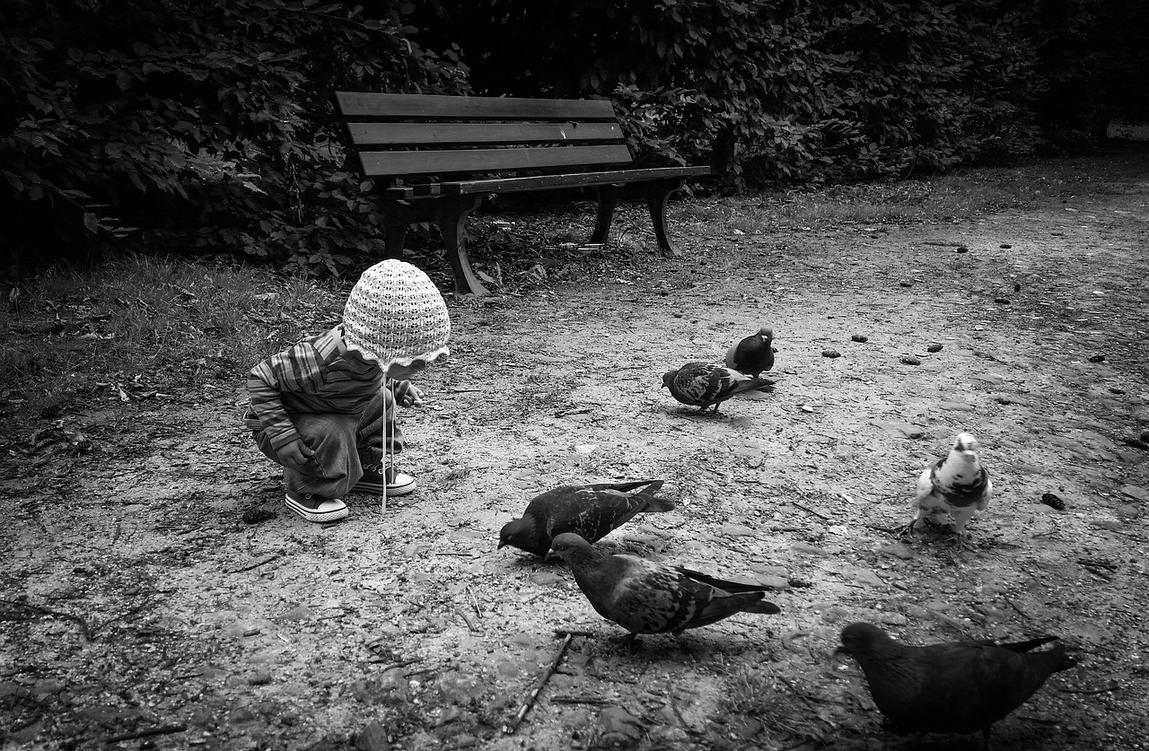
A few months ago, after one too many “no, don’t touch that” moments before 9 a.m., I tried a small experiment: redesign the house so I could say “yes” more often. Within two weeks, the mood in our home shifted. Fewer power struggles. More curiosity. More calm (well, relatively speaking).
Child-Proofing for Curiosity
Traditionally, child-proofing means locking everything away. But what if it meant creating a safe space for exploration instead? Move fragile décor up high. Secure furniture. Store hazardous items out of reach. Now, when your child opens a low drawer, you can smile instead of sprint.
Some argue this makes kids careless because they won’t learn limits. That’s fair. Boundaries matter. But in early childhood, the brain develops through safe exploration—supported by the science of child curiosity in the section once exactly as it is given. When the environment is prepared, you save “no” for the moments that truly matter (like electrical outlets, obviously).
The Power of the “Discovery Basket”
Next, build a simple discovery basket. Think wooden spoons, silicone whisks, fabric scraps, large measuring cups. Rotate items every few weeks to keep interest high. In 2019, a University of Colorado study found varied sensory input supports cognitive flexibility in toddlers (University of Colorado Boulder, 2019).
Pro tip: Introduce just three to five objects at a time to prevent overwhelm.
Embrace the Mess
Yes, mess happens. Instead of fighting it, contain it. Use a splash mat for water play. Designate one art corner. Schedule messy play right before bath time. After about three months of doing this consistently, cleanup felt routine—not chaotic.
Narrate Their World
Be a tour guide. Swap “Don’t touch” for “That rock feels bumpy and cold.” Language builds neural connections (Harvard Center on the Developing Child, 2016).
Outdoor Exploration Essentials
Turn walks into missions: collect leaves, count birds, watch ants. Think less “Pinterest-perfect nature lesson,” more curious sidekick on a tiny safari adventure (David Attenborough voice optional).
Your role as the Chief Adventure Officer starts now. You already have a roadmap; the challenge isn’t stopping curiosity, it’s guiding it. Instead of playing guard, become a guide. For example, when your toddler dumps out the kitchen drawer, pause and ask, “What are you discovering?” That simple shift builds trust. Research in the science of child curiosity shows that safe, responsive environments strengthen neural pathways tied to problem-solving (Harvard Center on the Developing Child). So, start small. Create a “discovery basket” with wooden spoons, fabric scraps, and measuring cups. Then, rotate items weekly to keep novelty high (think Marie Kondo, but for toddlers). Additionally, narrate what they notice instead of correcting them. If you’re unsure where to begin, explore practical ideas like these at simple parenting routines. Most importantly, choose one tip today and try it. Confidence grows through action, for you and your child. Start this week.
Helping Your Child Thrive Through Curiosity
You came here looking for real, practical ways to understand and nurture your child’s natural curiosity—and now you have them. From creating simple discovery moments at home to applying the science of child curiosity in everyday routines, you’re better equipped to turn questions, messes, and “why” phases into powerful learning opportunities.
When curiosity feels overwhelming or constant, it can test your patience and leave you wondering if you’re doing enough. The truth is, curiosity is a sign your child is growing exactly as they should. With the right approach, those endless questions become confidence, creativity, and critical thinking skills that last a lifetime.
Now it’s time to take action. Start by choosing one strategy from this guide and apply it today—whether it’s setting up a curiosity corner, asking more open-ended questions, or simply slowing down to explore with your child. Small, consistent changes create big developmental wins.
If you’re ready for more proven, mom-tested parenting hacks that simplify routines and support your child’s development, explore our expert-backed resources trusted by thousands of moms. Don’t let uncertainty hold you back—discover practical tools and real-world tips that make raising curious, confident kids easier starting today.

 Calviner Brownder is a passionate parenting writer sharing practical guidance, child development insights, and supportive advice for modern families.